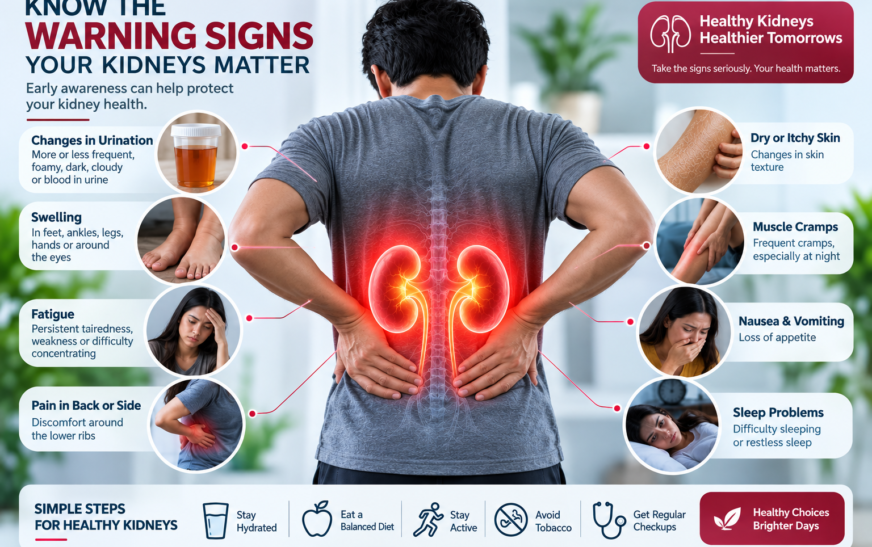
Your kidneys are small but essential organs that help filter waste and excess fluid from your blood. They also help maintain the body’s fluid and mineral balance and support healthy blood pressure. Because kidney problems can develop without obvious symptoms, taking care of your kidneys through healthy daily habits is an important part of protecting your overall health. Fortunately, many simple lifestyle choices can support normal kidney function and reduce the risk of kidney-related problems.
Stay Hydrated and Eat a Balanced Diet
Drinking enough water throughout the day helps your body maintain proper fluid balance and supports normal kidney function. Your fluid needs can vary depending on factors such as activity level, climate, diet, and health conditions, so there is no single amount that is right for everyone. A balanced diet is equally important. Include plenty of vegetables, fruits, whole grains, pulses, and other nutritious foods, while being mindful of excessive salt, highly processed foods, and added sugars. A diet high in sodium can contribute to high blood pressure, which is an important risk factor for kidney disease.
Keep Blood Pressure and Blood Sugar Under Control
High blood pressure and diabetes are among the important risk factors for chronic kidney disease. Regularly checking your blood pressure and blood sugar, when appropriate, can help identify problems early. If you have been diagnosed with high blood pressure or diabetes, following your healthcare professional’s treatment plan is important for protecting your kidneys over the long term. Taking prescribed medicines as directed, maintaining a healthy weight, staying physically active, and attending recommended health checkups can all support better overall health.
Be Careful With Medicines and Unhealthy Habits
Some medicines, particularly certain pain relievers, can affect the kidneys when used frequently or inappropriately. Always follow the recommended dose and speak with a healthcare professional if you regularly need pain medication or take several medicines at the same time. Avoid smoking and tobacco products, as they can damage blood vessels and increase the risk of several health problems, including kidney disease. Limiting excessive alcohol consumption and staying physically active can also contribute to better cardiovascular and kidney health.
Make Kidney Health Part of Your Routine
Protecting your kidneys does not require complicated changes. Stay adequately hydrated, choose nutritious foods, stay active, maintain a healthy weight, avoid tobacco, and keep conditions such as high blood pressure and diabetes under control. Regular medical checkups can also be helpful, particularly if you have risk factors for kidney disease or a family history of kidney problems.
Remember that kidney health needs can vary from person to person. People with existing kidney conditions may need specific recommendations about fluids, salt, protein, or other aspects of their diet. If you have concerns about your kidney health, changes in urination, persistent swelling, unexplained fatigue, or other unusual symptoms, consult a qualified healthcare professional for personalized advice.
Medical Disclaimer: This article is intended for general health education only and is not a substitute for professional medical diagnosis, treatment, or advice. Always consult a qualified healthcare professional for advice specific to your health needs.