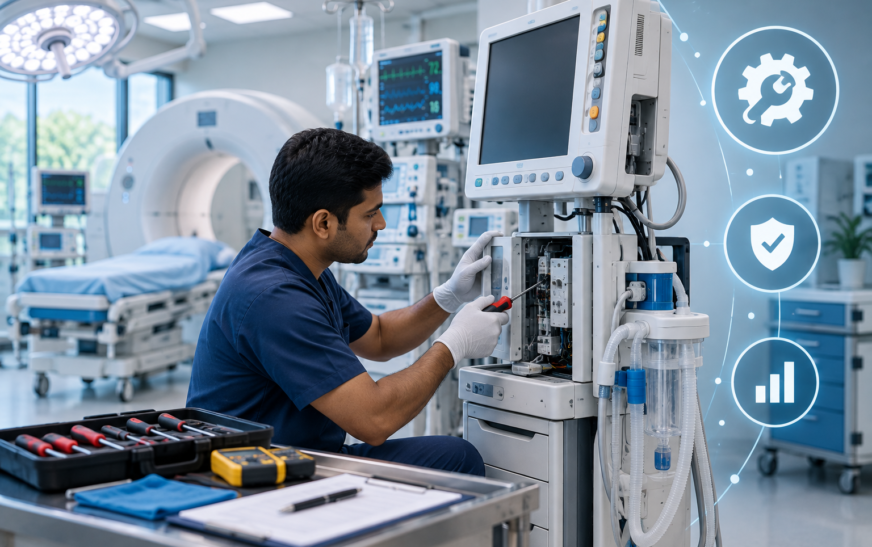
Early detection can play an important role in healthcare. Modern diagnostic equipment provides healthcare professionals with increasingly sophisticated ways to identify and evaluate medical conditions.
The Importance of Accurate Diagnosis
A healthcare professional’s clinical assessment may be supported by laboratory tests, imaging, physiological measurements, and other diagnostic information.
Better-quality diagnostic information can support more informed clinical decision-making.
Medical Imaging
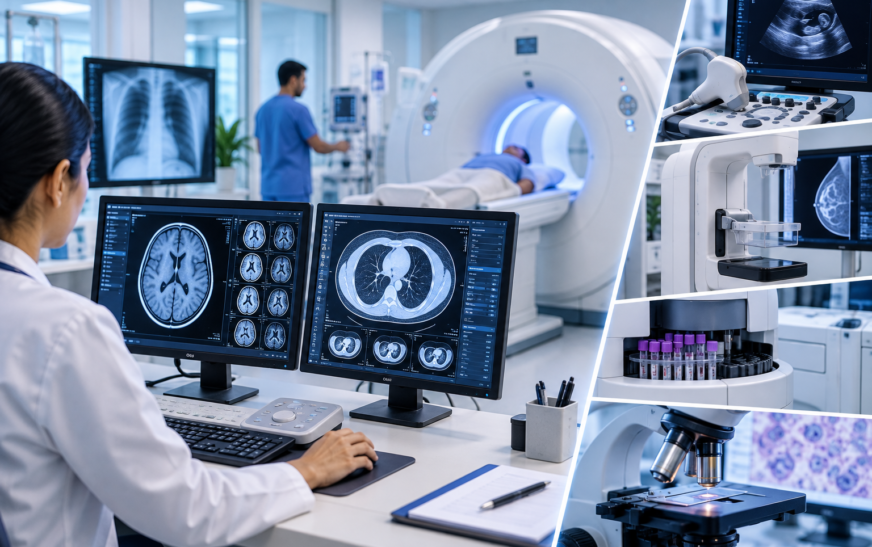
Modern imaging technologies can provide detailed information about structures inside the body.
Different technologies serve different purposes, including:
- X-ray
- Ultrasound
- CT
- MRI
- Nuclear medicine imaging
Laboratory Equipment
Laboratory analyzers can process biological samples and provide measurements that support diagnosis and monitoring.
Automation can improve laboratory workflows and reduce manual processing in suitable settings.
Artificial Intelligence
AI is increasingly being explored as a tool for analyzing medical images and identifying patterns.
Importantly, AI systems are generally designed to support healthcare professionals, rather than replace clinical judgment.
Better Workflow
Modern diagnostic equipment can also integrate with digital healthcare systems.
This may help test results and imaging information reach clinicians more efficiently.
Looking Ahead
The future of diagnostic healthcare will likely involve greater integration between equipment, software, artificial intelligence, and patient records.
The ultimate objective remains the same: providing healthcare professionals with reliable information to support appropriate patient care.