Medical equipment has progressed from relatively simple mechanical instruments to sophisticated digital systems capable of collecting, processing, and sharing information.
Modern hospitals depend on equipment for diagnosis, monitoring, treatment, surgery, and patient care.
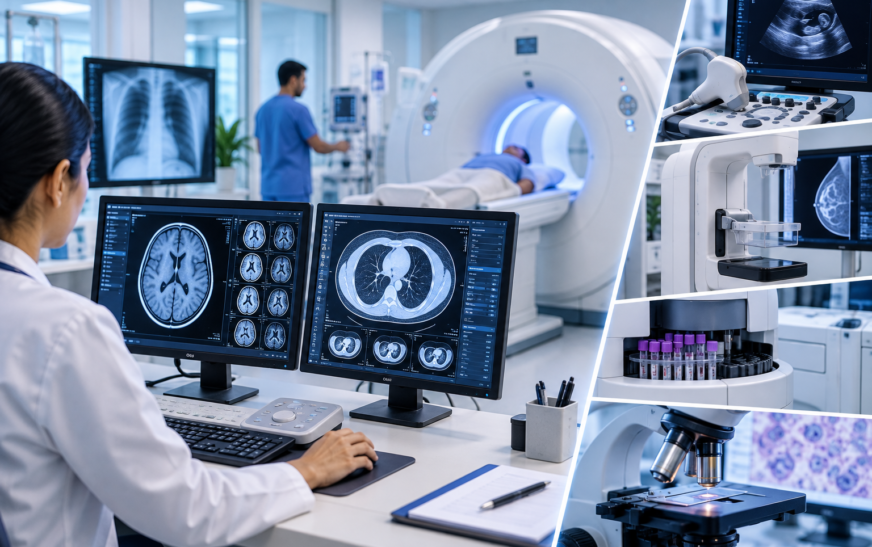
Diagnostic Equipment
Diagnostic equipment helps healthcare professionals understand a patient’s condition.
Examples include:
- Ultrasound systems
- X-ray equipment
- CT scanners
- MRI systems
- Laboratory analyzers
- ECG equipment
Equipment in Patient Monitoring
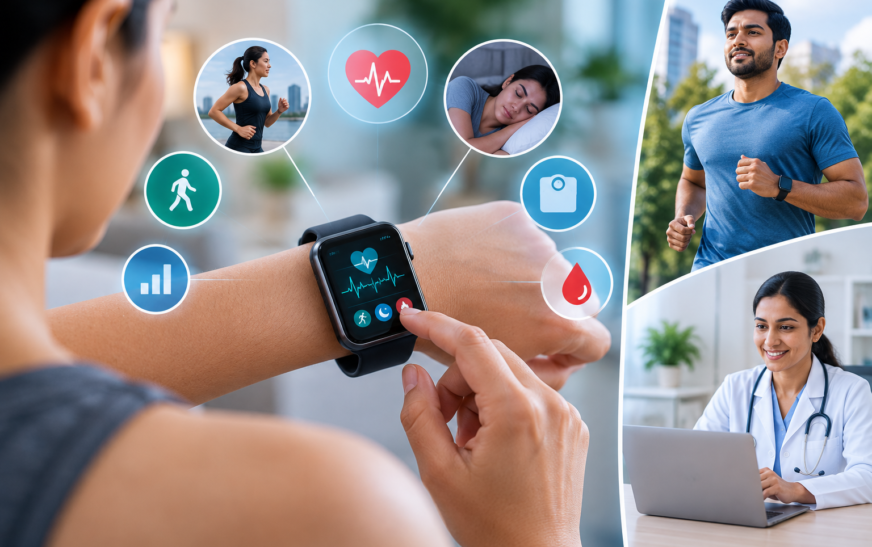
Patient monitoring equipment can continuously track important physiological measurements.
This is particularly important in intensive care, emergency departments, operating rooms, and other clinical environments.
Automation
Automation is also becoming increasingly important.
Automated laboratory systems, medication management technologies, and robotic equipment can help healthcare organizations improve workflow efficiency.
Connectivity
Modern equipment is increasingly connected to hospital information systems.
This can allow information to move more efficiently between devices, clinicians, and electronic health records.
Maintenance Matters
Advanced equipment requires proper maintenance.
Regular calibration, preventive maintenance, software updates, and staff training can help maintain reliable operation.
The Future of Medical Equipment
Future medical equipment is likely to become:
- More compact
- More connected
- More automated
- More data-driven
- Easier to use
- More integrated with healthcare software
Technology will continue to change how hospitals diagnose and treat patients.