Healthy gums provide an important foundation for healthy teeth. Gum disease, also known as periodontal disease, is a common oral health problem that can develop gradually. In its early stages, it may cause only minor changes that are easy to overlook. Recognizing these signs early can help prevent the condition from progressing and protect your teeth and gums.
What Is Gum Disease?
Gum disease usually begins with plaque, a sticky layer of bacteria that builds up around the teeth and along the gumline. If plaque is not removed regularly, it can irritate the gums and cause inflammation.
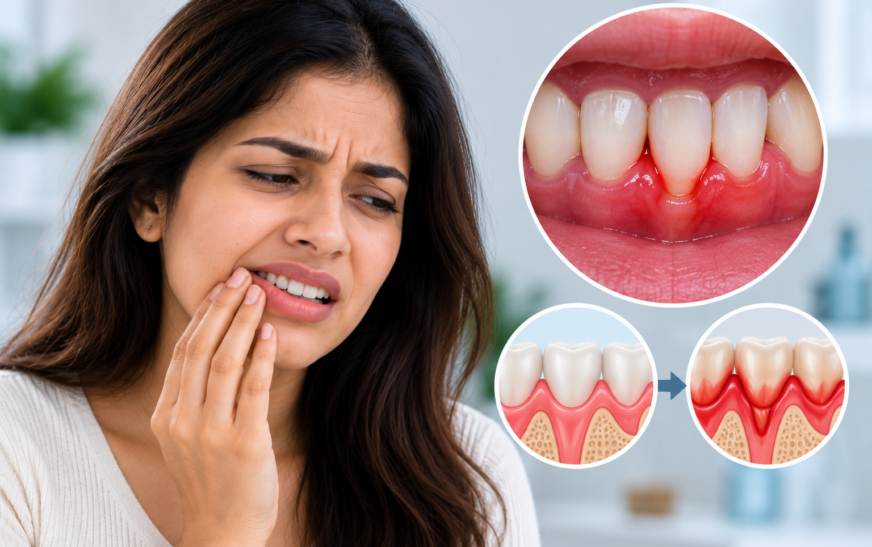
The early stage is called gingivitis. If it is left untreated, inflammation can progress and affect the tissues and bone that support the teeth, leading to periodontitis, a more advanced form of gum disease.
Early Signs of Gum Disease
1. Bleeding Gums
Bleeding while brushing or flossing is one of the most common early warning signs. Although occasional bleeding may have other causes, repeated bleeding should not be considered normal.
Inflamed gums can bleed more easily when touched. If bleeding continues despite regular, gentle oral hygiene, schedule a dental examination.
2. Red or Swollen Gums
Healthy gums are generally firm and fit closely around the teeth. Gums that appear red, swollen, tender, or unusually sensitive may indicate inflammation.
Pay attention to changes in your gums, particularly if the symptoms persist for several days or keep returning.
3. Persistent Bad Breath
Bad breath that does not improve with brushing, flossing, or cleaning the tongue can sometimes be associated with gum disease. Bacteria around the gums and between the teeth can contribute to an unpleasant or persistent odor.
However, bad breath can have many other causes, so a dental examination can help determine the reason.
4. Receding Gums
If your teeth begin to look longer than they previously did, the gums may be pulling away from the teeth. This is known as gum recession.
Receding gums can expose parts of the tooth that are more sensitive and may increase the risk of tooth-root problems. Gum recession can have several causes, including gum disease and overly aggressive brushing.
5. Tender or Sensitive Gums
Gums that feel painful or uncomfortable during brushing, eating, or flossing may indicate inflammation. Persistent tenderness should be evaluated rather than ignored.
6. Changes in the Way Your Teeth Fit Together
Advanced gum disease can affect the tissues and bone supporting the teeth. In some cases, this may result in changes in the way the teeth meet when you bite or a feeling that a tooth has become loose.
These changes require professional dental evaluation.
What Increases the Risk of Gum Disease?
Several factors can increase the likelihood of developing gum problems, including:
- Poor plaque control
- Smoking or tobacco use
- Diabetes and some other health conditions
- Hormonal changes
- Certain medications
- Family history of gum disease
- Infrequent dental care
- Some conditions that affect the immune system
Good oral hygiene can reduce the buildup of plaque and support healthier gums.
How Can You Prevent Gum Disease?
Prevention starts with consistent daily care. Brush your teeth twice a day with fluoride toothpaste and clean between your teeth regularly using floss or an appropriate interdental cleaner.
Other helpful habits include:
- Schedule regular dental checkups.
- Have professional cleanings when recommended.
- Avoid tobacco products.
- Limit frequent sugary foods and drinks.
- Maintain a balanced diet.
- Tell your dentist about medications or health conditions that may affect your oral health.
- Replace your toothbrush or toothbrush head when the bristles become worn.
When Should You See a Dentist?
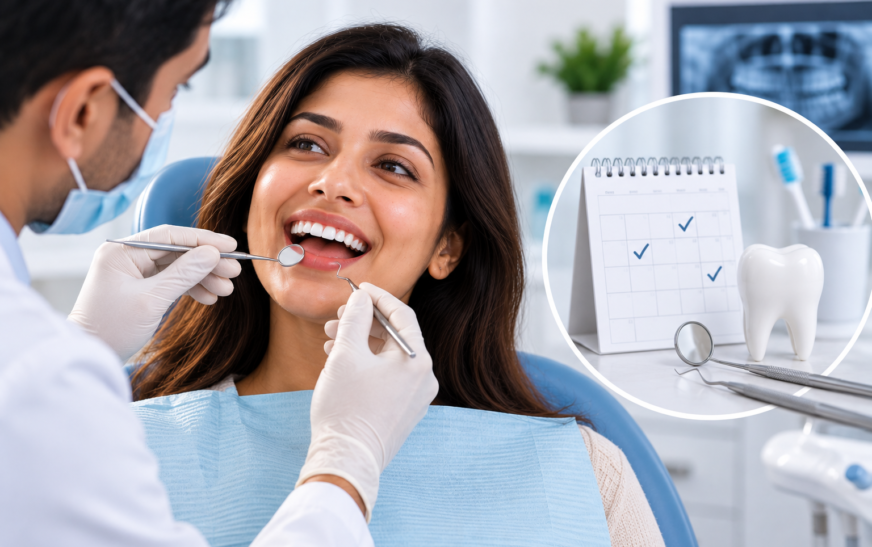
You should arrange a dental appointment if you experience persistent gum bleeding, swelling, redness, pain, bad breath, gum recession, or loose teeth.
Early gum disease is often easier to manage than advanced periodontal disease. Regular dental examinations can help identify problems early and allow your dentist to recommend appropriate treatment.
Don’t Ignore Changes in Your Gums
Bleeding or swollen gums may seem like minor problems, but they can be signs that your gums need attention. Taking action early can help protect the structures that support your teeth and reduce the risk of more serious complications.
Healthy gums are an important part of a healthy smile. Consistent brushing, cleaning between your teeth, regular dental visits, and avoiding tobacco can all contribute to better gum health.
Medical Disclaimer: This article is intended for general health education only and is not a substitute for professional dental diagnosis, treatment, or personalized advice. If you have persistent bleeding, pain, swelling, loose teeth, or other concerning oral-health symptoms, consult a qualified dentist or dental professional.