Sunlight is an important part of everyday life, but prolonged exposure to ultraviolet (UV) radiation can affect the health and appearance of your skin. Regular sun protection is one of the simplest ways to reduce UV-related skin damage and support healthier skin over time. Sunscreen, along with shade, protective clothing, and other sun-safe habits, can be especially important when spending extended periods outdoors.
How UV Radiation Affects Your Skin
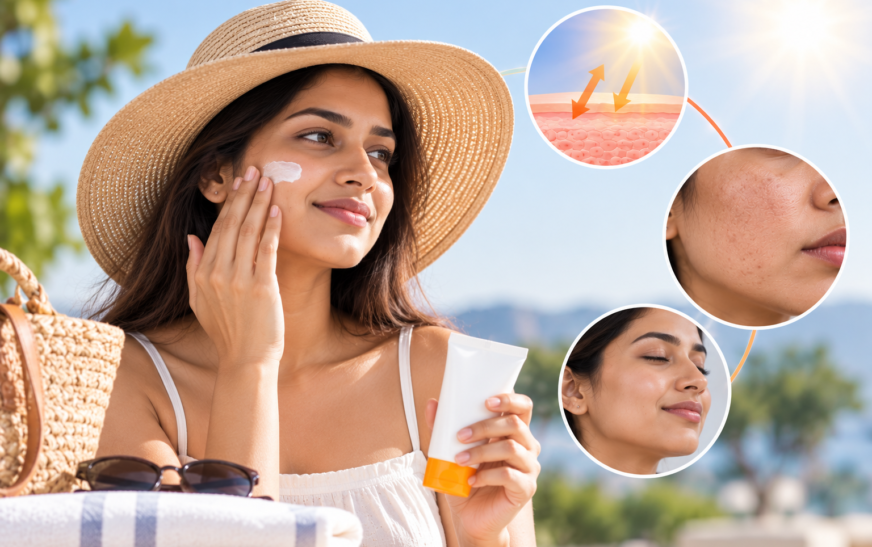
Sunlight contains UVA and UVB radiation, both of which can affect the skin. UV exposure can contribute to sunburn, premature skin ageing, pigmentation changes, and damage to skin cells. Repeated exposure over many years can also increase the risk of skin cancer.
You may not always notice UV damage immediately. Even when the weather is cool or cloudy, UV radiation can still reach your skin. Developing consistent sun-protection habits can therefore be beneficial throughout the year.
What Does Sunscreen Do?
Sunscreen helps protect the skin by reducing the amount of UV radiation that reaches it. Broad-spectrum sunscreens are designed to provide protection against both UVA and UVB rays.
When choosing a sunscreen, consider a product with an appropriate SPF and broad-spectrum protection. A sunscreen that feels comfortable and suits your skin type is more likely to become part of your daily routine.
How to Use Sunscreen Effectively
Using sunscreen correctly is just as important as choosing the right product.
- Apply sunscreen generously to exposed skin before going outdoors.
- Remember commonly missed areas such as the ears, neck, hands, and tops of the feet.
- Reapply regularly, particularly after swimming, sweating, or towel drying.
- Follow the product’s instructions for application and reapplication.
- Use additional protection such as hats, sunglasses, clothing, and shade when possible.
Sunscreen should complement—not replace—other sun-protection measures.
Benefits for Long-Term Skin Health
Consistent sun protection can help reduce the effects of cumulative UV exposure. It may help minimize sunburn, uneven pigmentation, and visible signs of premature skin ageing, while also reducing exposure to a major environmental risk factor for skin cancer.
People with darker skin tones can also experience UV-related pigmentation and skin damage, so sun protection remains important for everyone. Those with a history of excessive sun exposure, certain skin conditions, or increased skin-cancer risk may benefit from discussing personalized protection with a dermatologist.
Don’t Forget Children
Children’s skin also needs protection from excessive UV exposure. Encourage sun-safe habits from an early age, including appropriate clothing, shade, hats, and sunscreen on exposed areas when suitable.
Teaching children that sun protection is part of everyday outdoor activity can help establish habits that continue into adulthood.
Make Sun Protection a Daily Habit
Protecting your skin does not have to be complicated. Daily sunscreen use, seeking shade, wearing protective clothing, and avoiding prolonged direct sun exposure can all contribute to better skin protection.
If you notice a new or changing mole, unusual dark spot, persistent rough or scaly area, sore that does not heal, or another skin change that concerns you, consult a qualified dermatologist.
Medical Disclaimer: This article is intended for general health education only and is not a substitute for professional medical diagnosis, treatment, or personalized advice. If you have concerns about sun damage, unusual skin changes, or your individual skin-cancer risk, consult a qualified dermatologist or healthcare professional.